

Within the rapid realm of TikTok, seizing those unforgettable moments can seem like a race against time. Live streams are an amazing way to engage with your audience in real time, but they are fleeting. TikTok VODs, or videos on demand, usually have a short lifespan, making it crucial for content creators to find efficient ways to save and treasure these important moments. Whether you are a seasoned content creator at a computer or newly starting with a home streaming studio, learning how to keep your streams can enhance your digital video library and provide a wealth of content for future use.
Picture arranging your streaming desk with a microphone and a mobile content recording rig, and then watching your streams on your laptop, only to realize they've vanished after a brief time. It's vital to embrace strategies for storing files to the cloud or using screen recording on monitor techniques. By taking Smart move of cloud storage and backup options, you ensure that your cherished content remains accessible, enabling you to share it smoothly across platforms and with your audience. In this article, we will explore practical steps to help you retain your TikTok VODs for all time, ensuring that every creative moment you capture shines vivid long after the stream ends.
Vital Streaming Setup
A well-thought-out live streaming setup is necessary for any content creator looking to make an impact on platforms like TikTok. Your streaming desk should be neat and provided with all the required tools, including a premium microphone that captures clear audio. Choosing a ample desk allows you to proficiently manage your tools, from your computer to your camera, ensuring that everything is within access during your streams.
The aesthetics of your home streaming studio also play a major role in attracting viewers. Good lighting is vital, so consider allocating funds in a softbox or different lighting setups to elevate your video quality. This not only elevates your visual presentation but also aids create a professional environment that resonates with your audience. Having a dedicated space for content creation makes it easier to focus on your performance and engage with your followers.
As a portrait video creator, utilizing a video capture tool on your monitor can simplify the process of saving and editing your broadcasts. This ensures that you have a repository of footage to refer back to, enhancing your ability to create highlight reels and repurpose content across various platforms. Whether you're watching streams on your phone or at your computer, the right live streaming setup will boost your overall experience and increase your reach as a creator.
Building a Residential Broadcasting Setup
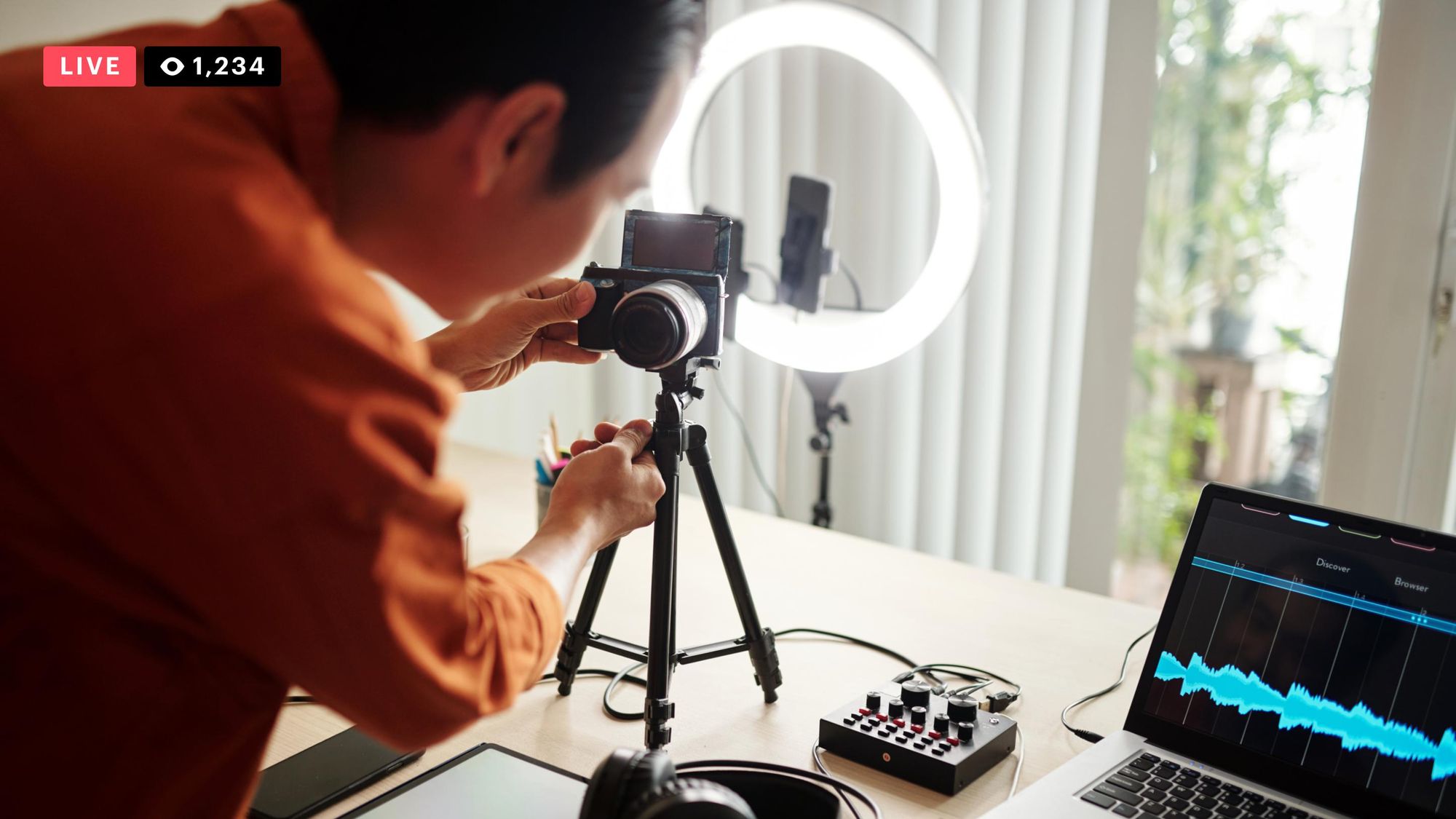
Setting up a home broadcasting studio is crucial for every content producer looking to record high-quality TikTok VODs. To initiate, set up a dedicated streaming desk with a good microphone to ensure high-quality audio. It's important to select a comfortable chair and appropriate lighting, as these elements can greatly enhance the viewing experience. Consider utilizing a portrait video creator configuration with a phone mounted on a ring light to enhance the visual quality of your streams.
Subsequently, invest in a screen recording software that lets you to capture both your content and your reactions during the live stream. This can be done by connecting your computer to a screen, where you can handle your streaming interface effectively. A headset with a microphone configuration not just aid in sound clarity but also aids maintain focus during your streams.
Finally, don’t overlook about storage options. Utilize cloud storage and backup systems to store your VODs securely. This guarantees that you won't misplace your valuable content when it comes time to post to your digital video library. By meticulously setting up your home streaming studio, you'll create an environment that promotes innovation and expertise in your TikTok live streams.
The Importance of Online Storage
In the constantly changing landscape of digital content creation, cloud storage has become a crucial asset for protecting your TikTok VODs. As a videomaker, having a dependable way to save your videos ensures that your hard work is not lost to the fleeting nature of online media. By leveraging cloud storage, you can maintain a video archive that is accessible from any location, allowing you to organize and retrieve your content effortlessly.
Moreover, cloud storage provides an added layer of security against losing data. In the situation of technical issues or unplanned deletions, having backups in the cloud means your videos are safe and recoverable. This comfort allows you to focus more on your live streaming setup and less on worrying about losing your content. Storing your VODs securely in the cloud enables you to produce with assurance, knowing that your past streams are just a click away.
Finally, cloud storage offers the adaptability needed for current digital creators. Whether you are backing up to the cloud from your notebook or watching streams on your smartphone, accessing your content becomes straightforward. This versatility supports your workflow, giving you the freedom to modify and share your videos without being tethered to a particular gadget or environment. Embracing cloud storage is paramount for any broadcasting configuration, ensuring that your important content remains available for years to come.
Optimizing Your Virtual Video Library
To successfully manage your TikTok VODs, it's essential to create a well-organized digital video library. Start by organizing your content into clearly defined categories such as streaming sessions, best of compilations, and instructional parts. This categorization allows for more efficient access and retrieval of specific videos when needed, saving you time and enhancing your workflow as a content creator. Consider using a uniform naming convention for your files that includes the date, topic, and any applicable tags to improve findability.
Backing up your content is just as important as structuring it. Once you've saved your VODs, upload them to cloud storage and backup solutions. This offers that your valuable streams are safe from data mishaps or issues. By employing cloud services, you can also access your videos from various devices, whether you are using your content creation setup with a mic at home or watching streams on your phone while travelling. Regularly review and update your backups to maintain an current digital library.
Additionally, consider incorporating an online video player interface to manage your saved content more efficiently. Some services allow you to create a digital video library where you can easily stream, distribute, and showcase your videos as needed. This can greatly boost viewer engagement when you distribute your TikTok highlights or organize content for your audience. A properly structured digital video library not only preserves your work but also allows you to display it effectively to your followers.
Filming and Streaming from Your Smartphone
Filming and broadcasting from your phone can be a convenient and efficient way to produce content for your audience. With the increase of smartphone content creation, many portrait video producers utilize their smartphones to record engaging live broadcasts. By using a phone with a ring light, you can enhance your lighting setup, which is essential for producing clear and professional-looking videos. Ensure you have a reliable internet connection to facilitate smooth broadcasting and minimize the chances of interruptions.
To make the most out of your home broadcasting studio, think about purchasing in a set of headphones and microphone system. High audio quality can significantly elevate the audience experience. Additionally, using apps tailored for creating content can help streamline the workflow of live streaming and filming. Remember to test your broadcasting desk with mic configurations before going on air to ensure the best sound and video quality.
After streaming, it's important to secure your content securely. You can readily achieve this by utilizing online storage and backups. After your live stream ends, use capture software on your screen to save any additional overlays or visuals that were part of your broadcast. By implementing a video library, you can access all your saved files whenever needed, making it more convenient to go back to your best moments and grow your viewership.